
The Genre Problem — and Why These Guys Solve It
Electronicore has a reputation problem. Say the word in most metal circles and watch the eyes glaze over — too many mid-2000s acts treating synth drops and breakdowns like a checklist, everything padded and processed until the danger leaks out. Fear, and Loathing in Las Vegas, out of Kobe, don’t have that problem. They never did.
What they do is stack speeds. High-velocity guitar work slammed against digital textures, clean vocal hooks arriving exactly where you don’t expect them, then a scream cutting back through the mix before you’ve finished processing what just hit you. It’s a lot, deliberately. The band seems to operate on the principle that if every element is moving fast enough, genre labels stop mattering — you’re just holding on.
That frantic energy is the point. Japan has a long tradition of taking Western genre templates and running them into red-line territory, and Fear, and Loathing fit inside that lineage without sounding derivative. They absorbed the syntax of electronicore and then rebuilt it at a pace that most Western acts in the same space never attempted. The result sounds less like a genre exercise and more like something with its own internal logic — which is the only way a fusion style survives long enough to mean anything.
What Actually Happens in the Music
The high-speed mix approach — what some of us in the scene shorthand as 高速ミックス系 — is the real signature. This isn’t just tempo. It’s the density of events per second: the way a synth line, a blast of double-kick, a pitched vocal, and a processed scream can occupy the same four-bar window without any of them feeling squeezed. That takes arrangement discipline most bands in this style simply don’t have.
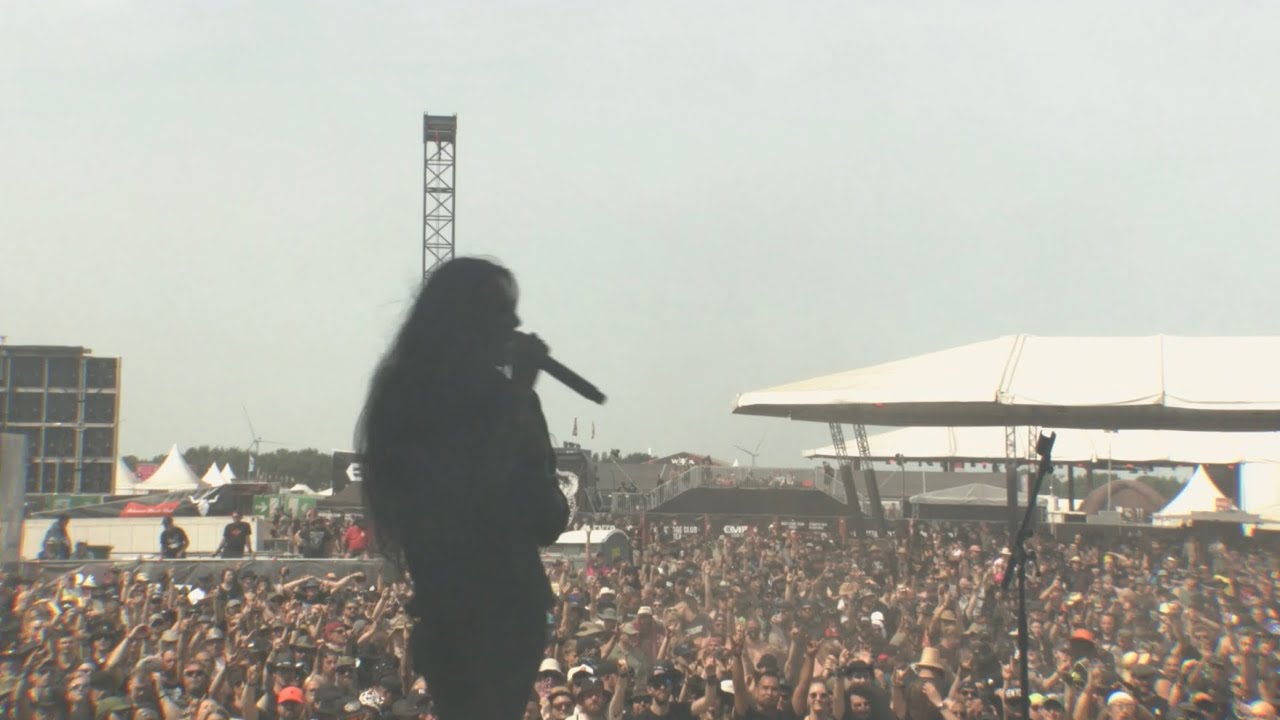
I caught their set at a packed venue years back and the thing I remember most is how little downtime there was. Not in a punishing, no-breathing-room way — the dynamic shifts are real and they’re earned. But the energy never sags. There’s always another element pulling focus, always a melodic thread that rewards attention even in the heaviest passages.
Clean singing sits high in the mix and it’s unashamed about it. Some metal fans bounce off that immediately. Fair enough. But those hooks are structural — they’re load-bearing. Strip them out and the architecture collapses. The screamed vocals land harder because of the contrast, and the electronic elements feel like texture rather than decoration because they’re woven into the arrangement from the start, not dropped on top.
Kobe doesn’t carry the same scene mythology as Tokyo or Osaka in the international metal conversation, which maybe let this band develop without a template to conform to. Whatever the reason, Fear, and Loathing sound like themselves — specifically, completely, even when they’re pulling from a dozen different directions at once.
If you haven’t heard them yet and you’re sitting somewhere skeptical about electronicore, start there. Give it two songs.