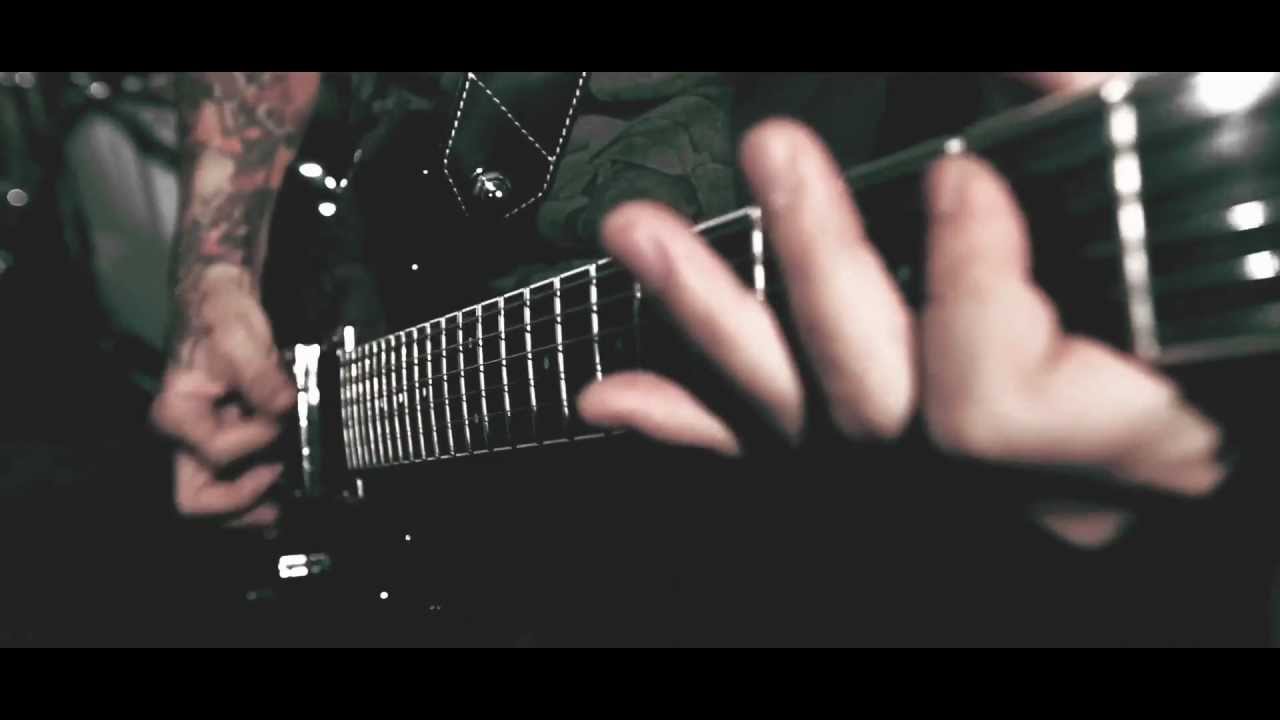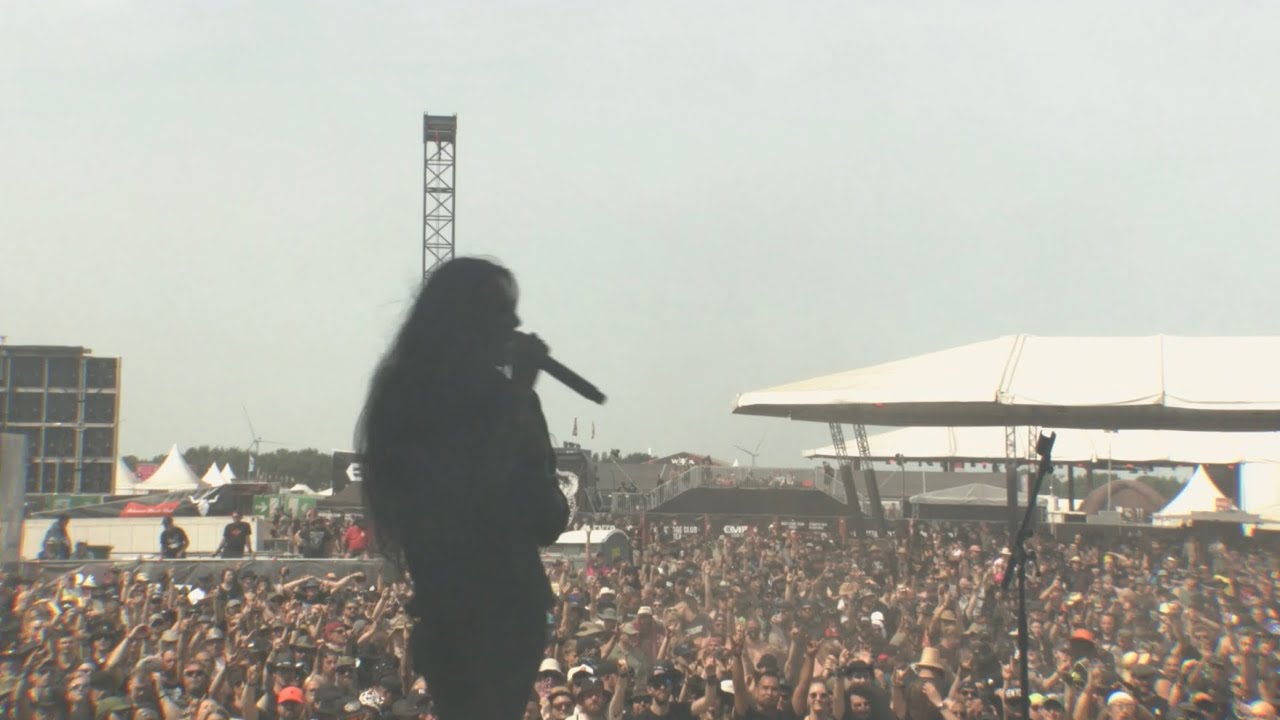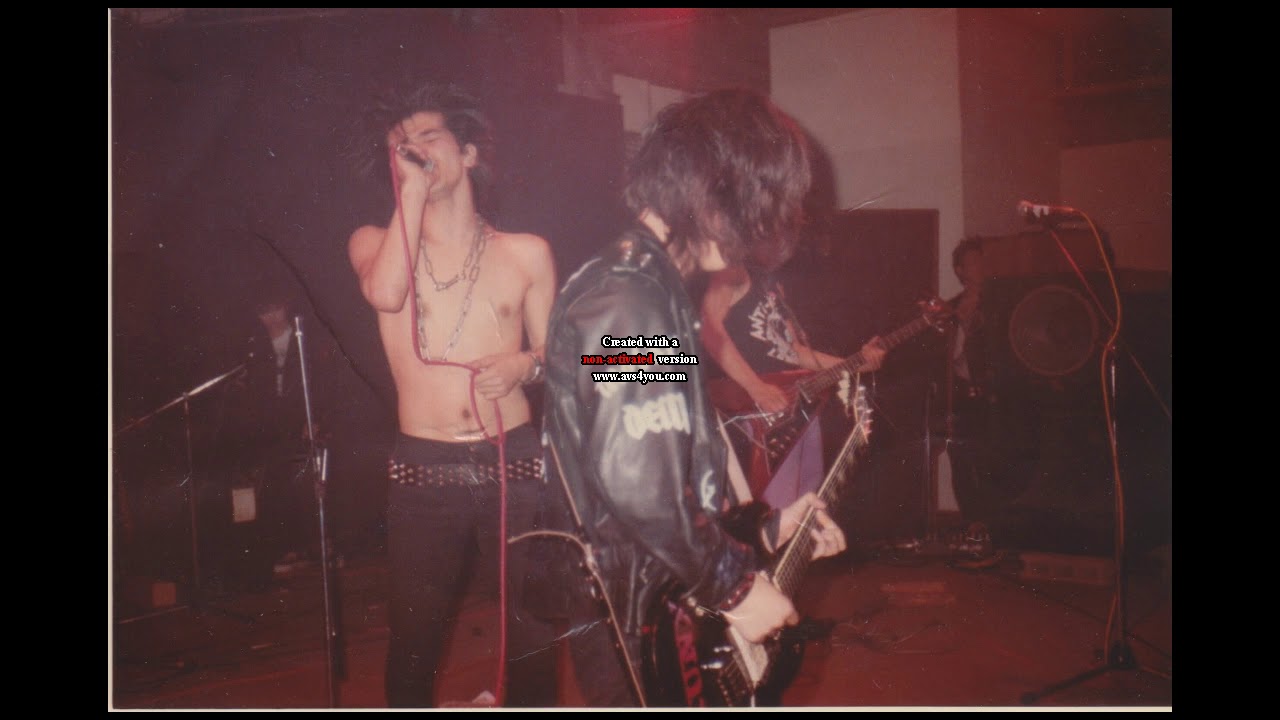
There’s a certain kind of Japanese hardcore record that doesn’t bother introducing itself. No intro track, no fade-in, no tasteful ambience to set the mood. It just starts, at volume, mid-thought, like someone kicked the studio door open and the tape was already rolling. EXECUTE, no longer an active band, made that kind of record.
I want to get one thing out of the way immediately, because search engines have been confusing people about this for years: this is the Japanese EXECUTE. Not the European band that shares the name. If you’ve typed those seven letters into a streaming app and come away puzzled, that’s why. Dig past the top results. What’s underneath is a much meaner proposition.
The sound of a band that refuses to decorate
What EXECUTE did sits in that specific Japanese hardcore tradition where the riffs are metallic but the spirit is punk, and the two never quite stop arguing with each other. Guitars are trebly, wiry, and pushed until they fray at the edges. The drumming is less about technical precision than about forward pressure — that constant sense of the whole thing leaning into the next bar, too fast, barely held together. Vocals sit somewhere between a bark and a genuine shout, more throat than technique, delivered like the singer has a limited amount of time to get the point across.
It’s the lineage that runs through Japanese hardcore’s loudest corners. The one where distortion isn’t a texture, it’s an argument. You know within eight seconds whether you’re in or out.
What I keep coming back to with EXECUTE is the economy. There’s no fat. Songs arrive, do their work, and get out. The best moments happen in the transitions — a riff that shouldn’t lock into the next one but somehow does, a drum fill that tumbles instead of lands, the sudden ugly lurch into a slower part that makes everything before it feel twice as fast. That’s the craft, and it’s easy to miss because the surface is so hostile.
Why this stuff travels
Foreign listeners often come to Japanese hardcore through the big names, then hit a wall. The scene’s documentation is thin in English, the discographies are scattered across splits and compilations and small-run pressings, and half the information floating around online is wrong in ways nobody bothers to correct. It’s frustrating. It’s also, honestly, part of the appeal — finding this music still feels like finding something, rather than being fed it.
EXECUTE’s records reward that effort. Their recordings have that raw-room quality where you can hear the physical space the band was standing in, the cymbals bleeding into everything, the bass more felt than heard. Some people call that a limitation. I’d argue it’s the whole point. Hardcore recorded too cleanly loses the thing that made it worth recording. There’s a reason the records that endure from this scene tend to sound like they were captured rather than constructed.
And the aggression here isn’t performative. That matters. A lot of heavy music is essentially theatre — costumes, concepts, a persona to hide behind. What you get from a band like EXECUTE is closer to a documentary. Someone was angry, they had instruments, this happened. The lack of pretence is exactly what makes it hold up when you return to it years later.
If you’re building a Japanese hardcore shelf and you’ve already done the obvious homework, this is the next rung down — the level where the names get harder to find and the payoff gets steeper. Start with whatever pressing you can locate, play it loud enough that your neighbours file a complaint, and pay attention to how little time the band wasted.
Fifteen minutes in, you’ll notice you haven’t checked your phone once.