There’s a certain kind of Japanese metalcore that doesn’t announce itself. It doesn’t come at you with a chugged intro riff designed to look good in a fifteen-second clip. It builds. It takes its time, lets a clean guitar line hang in the air a little longer than you expect, and then drops the floor out from under you when you’ve stopped bracing for it.
Each Of The Days work that way.
I’ve had their material on rotation for long enough now that I’ve stopped hearing it as “metalcore” in the genre-tag sense and started hearing it as songwriting. Which is, honestly, the highest compliment I can pay a band working in a style this crowded. Metalcore in Japan has a deep bench — you can find a dozen bands within an hour’s train ride who can play faster, scream harder, and stack more guest vocalists on a chorus. What’s rarer is a band that knows what to leave out.
The records do the talking
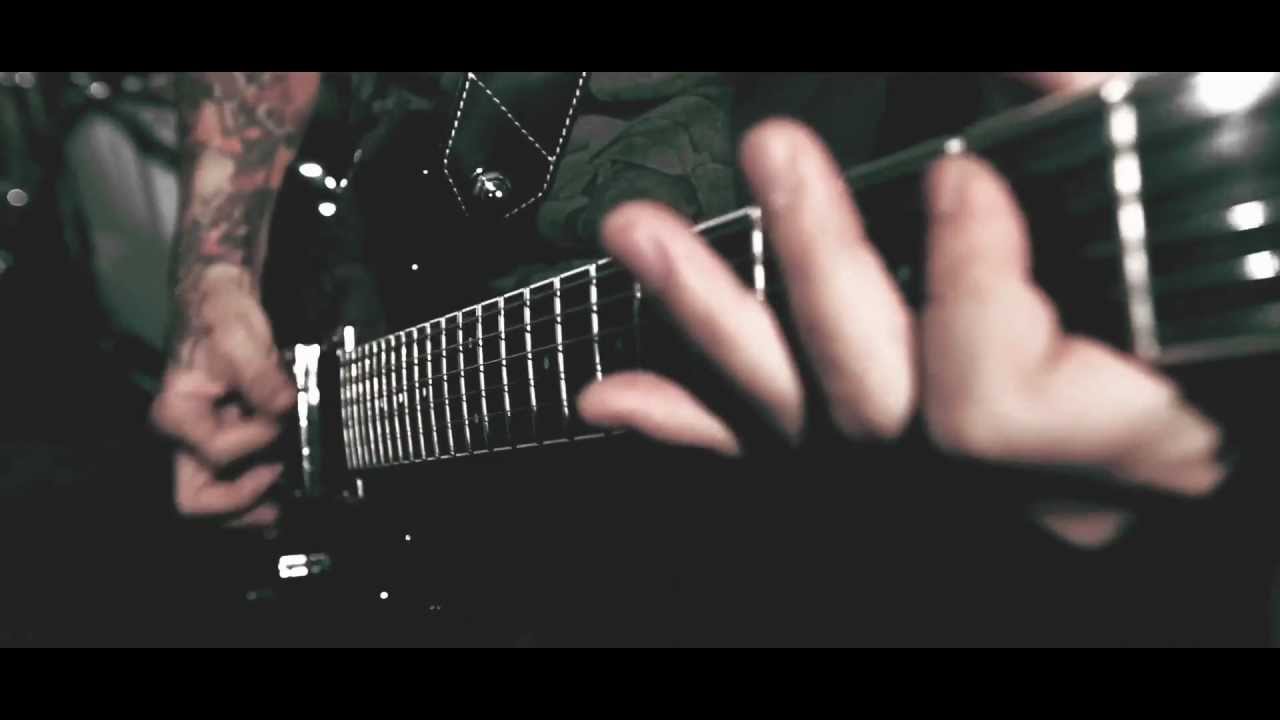
The thing that hits me first is the guitar tone. Not the modern scooped-to-oblivion djent sound, and not the brittle early-2000s American thing either — something in between, with enough midrange that the riffs actually read as riffs rather than percussive texture. When they lock into a rhythmic figure, you can follow the notes. That sounds like a small thing. It isn’t. A lot of heavy bands lose the melody in the mix and then wonder why the songs blur together.
Vocally, there’s a push-pull that’s very much in the tradition of Japanese metalcore and post-hardcore — the harsh delivery carrying the aggression, the cleaner passages carrying the hook, and neither one feeling bolted onto the other. The transitions are where bands in this style usually stumble. You can hear the seams. Here, the seams are mostly invisible, which suggests a group that arranges with intent rather than assembling parts because the formula demands a chorus at 1:47.
And there’s a melancholy running under it all. Japanese heavy music has a long relationship with that particular flavour of sadness — the kind that’s wistful rather than nihilistic, more autumn than winter. You hear it in the chord choices. It’s the thing that separates a lot of Japanese metalcore from its Western cousins, and it’s the reason a foreign listener who thinks they’re burned out on the genre can put on a record like this and find something unfamiliar in it.
Where they sit in the scene
To be real, the international conversation about Japanese heavy music tends to skip over bands like this. The attention goes to the extremes — the avant-garde weirdness, the visual-kei crossover acts, the bands with a gimmick that translates instantly into a foreign headline. Meanwhile there’s a whole stratum of the scene doing patient, well-constructed, emotionally direct heavy music that never gets the export push.
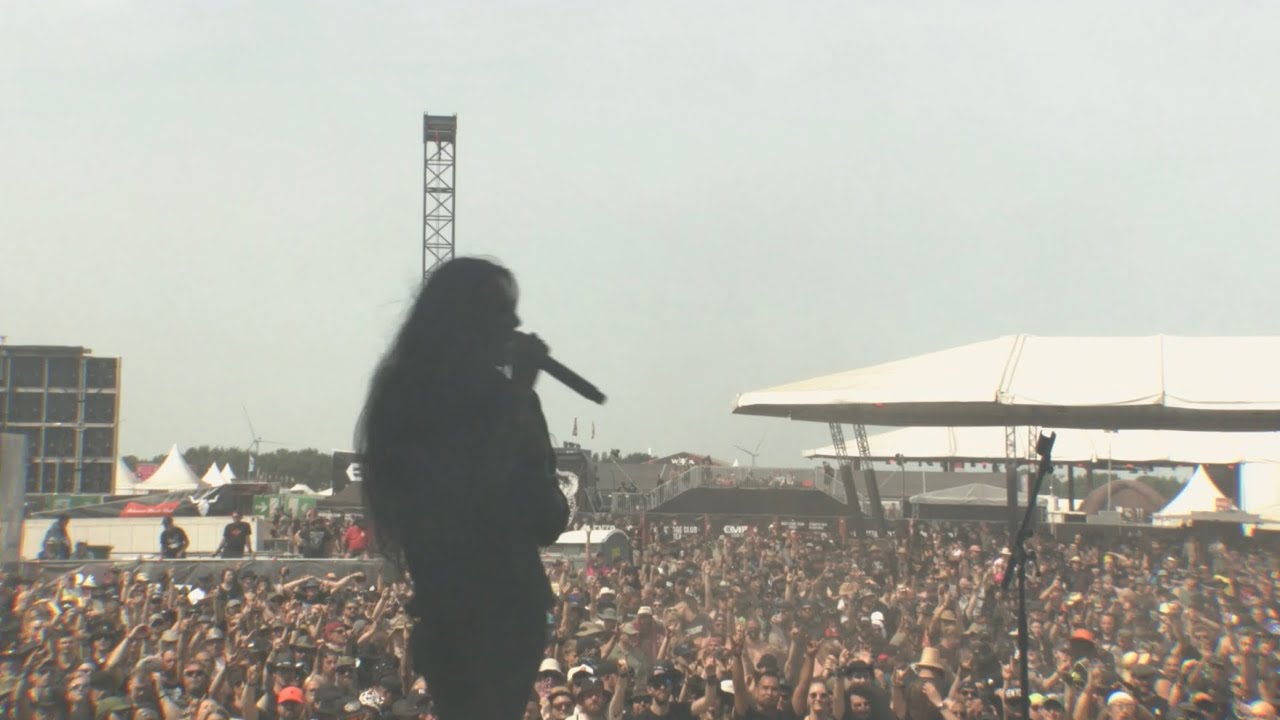
Each Of The Days belong to that stratum. The kind of band that fills a mid-size livehouse floor with people who know every word, while overseas nobody’s heard of them. It happens constantly here. The language barrier is part of it, sure, but so is the fact that this music doesn’t reduce well to a soundbite.
If you’re coming in fresh, don’t sample. Don’t skip through thirty seconds of each track looking for the heavy bit. That approach will make this band sound generic, because the payoffs are structural — they depend on what came before them. Sit with a full release, start to finish, preferably on headphones, preferably at night. The songs are built to reward that.
Then go back and listen to how much space is in the quiet parts. That’s the whole trick.