
Precision as Violence
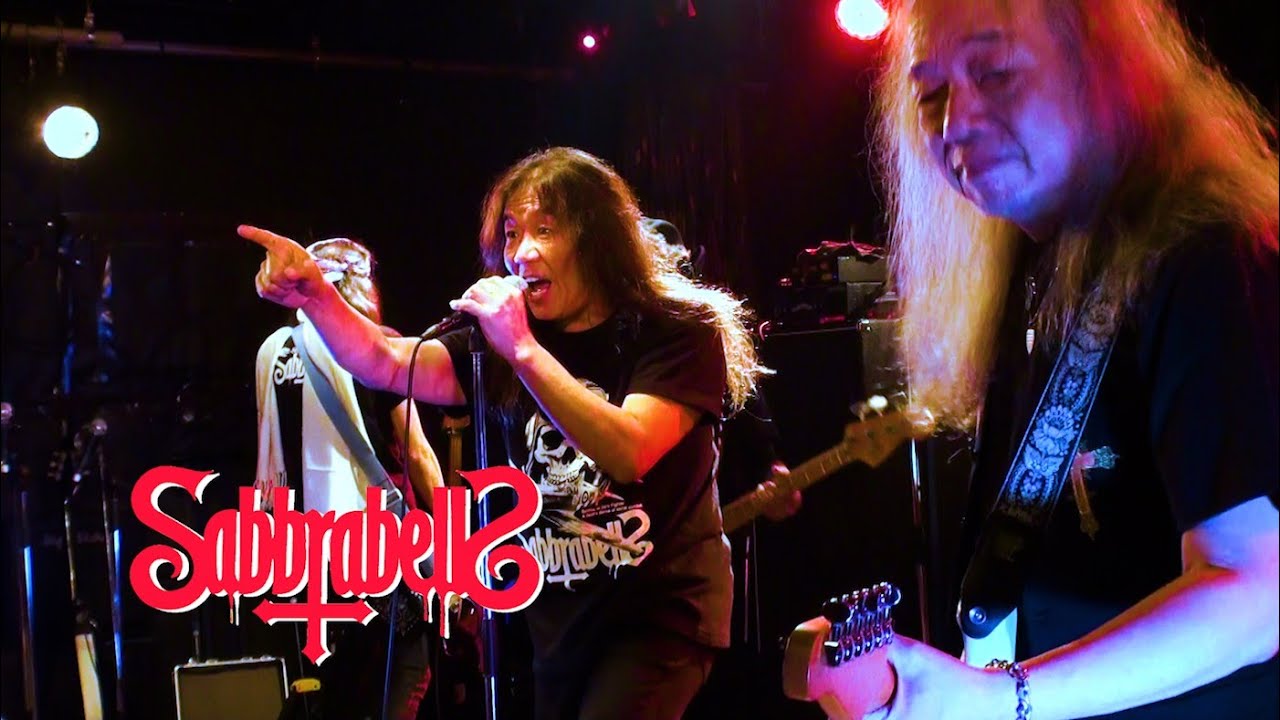
I laughed out loud at the show. Literally laughed — not because anything was funny, but because they were that good, that ridiculous a level of tight. Standing there in the live house thinking: foreign fans have no idea a band like this exists in Japan. It would blow their minds.
And that’s exactly the problem — and the point. Tokyo has always punched above its weight in extreme metal, and Desecravity might be the sharpest proof of that. They play technical death metal, and I mean technical — the kind where every riff sounds like it was engineered rather than written, where time signatures shift without warning and you only realize it happened three bars later when your head is already spinning. But here’s what separates them from the genre’s more sterile practitioners: the brutality never gets sacrificed for showmanship. The two things coexist. The attack stays vicious.
It’s a hard balance to pull off. A lot of tech-death bands get so deep in the math that the music stops feeling like music — you’re watching a recital, not a performance. Desecravity don’t have that problem. There’s genuine weight behind every note. The guitars don’t just shred; they grind, even when the fingers doing the work are moving at a speed that seems physically implausible. I caught footage of their live set making the rounds online and honestly stood there rewinding the same fifteen-second passage several times because I couldn’t work out what I was hearing.
Why the International Scene Noticed
For a Japanese underground act in a genre dominated by North American and European exports, getting noticed abroad takes something extra. Desecravity have it. Their records — Implicit Obedience and Anathema — are the kind of releases that end up in Metal Archives lists and Reddit tech-death rabbit holes, recommended by people in Germany and Ohio who have no particular reason to dig into Japan’s underground unless something legitimately grabs them. That cross-border reach is rare. Most bands with that level of genuine craft are still invisible outside their home country. Desecravity crossed over on merit alone.
The production on those records deserves a mention too. A common frustration with Japanese extreme metal — though not universal — is that domestic production can sometimes sand off the edges that make brutal music feel dangerous. That’s not a complaint you can level here. The mixes are dense and punishing, with enough low-end to rattle your stereo and enough clarity in the upper register that you can actually follow what the guitar players are doing, if your brain moves fast enough. It’s the kind of recording that rewards headphones. Turn it up loud enough and you feel it in your sternum.
To be real, Desecravity occupies a specific and demanding niche — this isn’t background music, and it’s not for the casual metal dabbler who wants something approachable on a Friday evening. But if you’ve already got Defeated Sanity or Revocation in your library and you’re wondering why you haven’t gone deeper into Japan’s extreme metal scene, this is the logical next step. Maybe the only logical next step.
Go find Anathema. Put it on from the start. See how long it takes before you have to rewind something.