
The first time Defiled really clicked for me, I wasn’t at a show. I was on a train, half asleep, headphones in, and a riff came on that my brain kept trying to file into a shape it recognized. It wouldn’t go. Every time I thought I had the bar count, the thing lurched somewhere else. I rewound it four times. Still couldn’t hum it back.
That’s the whole deal with this band, and it’s why I wanted to write about them a second time. We already did the proper introduction — that one’s here if you’re coming in cold. This is the other conversation. The one about why their riffs behave the way they do.
The riffs don’t land where you want them to
Most death metal riffing, even the gnarly stuff, gives you a handhold. A groove you can nod to. A chug that repeats often enough for your body to sync up. Defiled hand you that grip and then pull it away about two-thirds of the way through the phrase, usually with a half-step move that sounds actively hostile to the note you just heard. It’s dissonant, sure, but it’s not dissonance as decoration. It’s structural. The unpleasantness is load-bearing.
What keeps it from turning into pure exercise is the drumming, which is doing something subtly different from the guitars almost constantly. You get a blast that isn’t sitting where the riff’s accent is. You get fills that arrive early. The effect is a band pulling in two directions at once while somehow never coming apart, and after enough listens you start hearing the tension as the point rather than a problem to solve.
And the tone. Dry, mid-forward, not much scoop, very little studio gloss smoothing over the edges. You can hear the pick hitting the string. That matters with music this intricate, because a thicker, warmer sound would blur exactly the details you’re supposed to be tracking.
Tokyo’s answer to a very specific question
Japan’s death metal underground has never been short on speed or brutality, but Defiled’s contribution is more particular than that. They took the technical, angular end of the genre and stripped out the showing-off. There are no look-at-me passages here. No clean-guitar breathers. No moment where the band steps back so a solo can be admired from a polite distance. Everything is welded to everything else, and the only reward for keeping up is that you get to keep up.
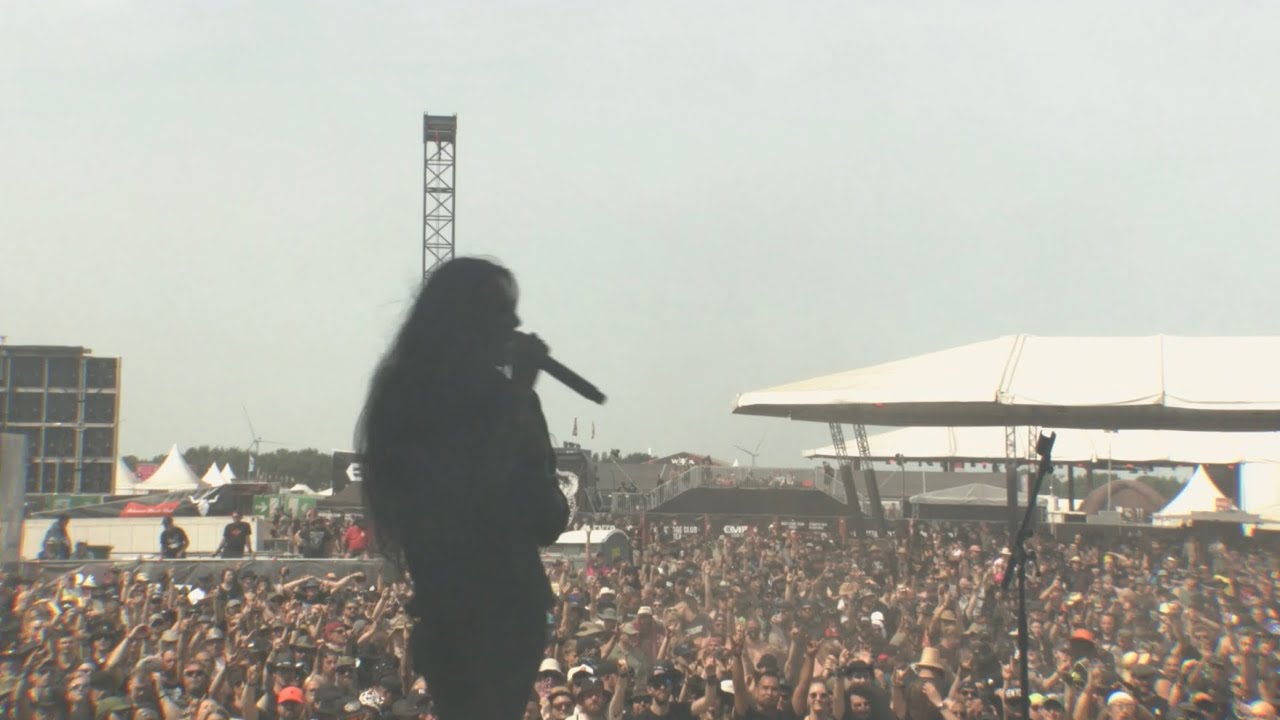
I’ve watched this land on rooms in Tokyo more than once. It’s not a crowd-surf kind of set. People stand closer to the front than they meant to, arms crossed, staring at the fretboards, and the pit that forms is small and mean rather than wide and celebratory. Afterwards you hear the same conversation in the smoking area every time — somebody trying to explain a riff by tapping it out on a beer can and failing.
Where to start
Front to back, honestly. Don’t go hunting for a single track, because the individual song isn’t really the unit here. A full record from this band works like one long argument, and the parts that seem punishing at minute three make sense by minute thirty. Give it two complete passes before you decide anything.
Then go back to whatever else you were listening to. That’s the real test. Most death metal will suddenly sound polite, obvious, a little too keen to be liked. Defiled ruins your tolerance for riffs that resolve neatly, and I’m not sure that damage is reversible.
Put it on in a crowded train car and watch yourself stop hearing the train.