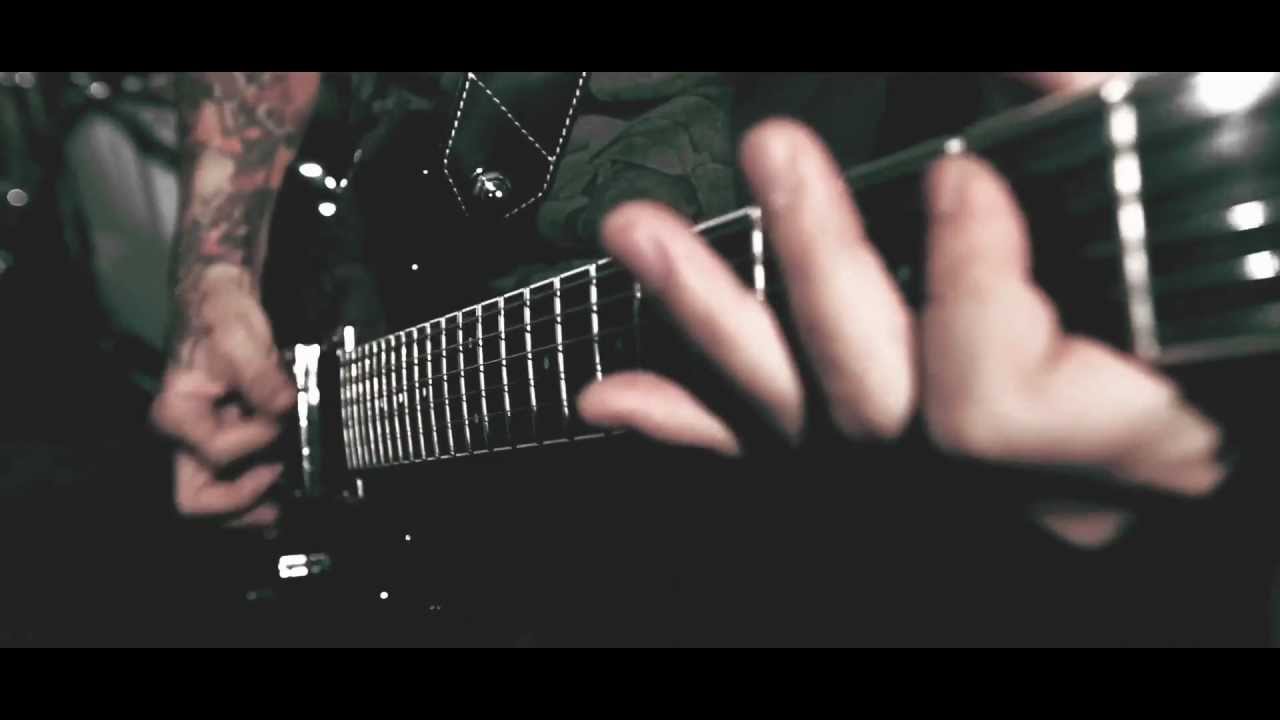
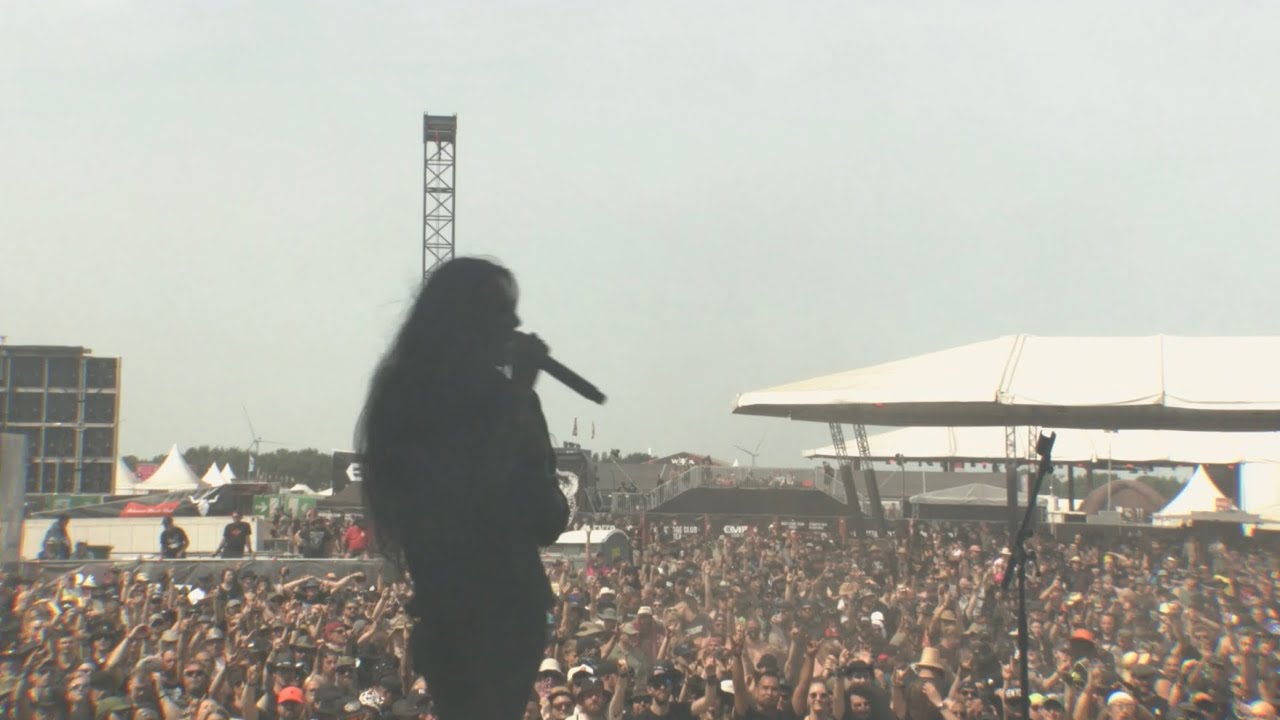
There’s a particular kind of death metal that I keep coming back to, and it’s not the loudest or the fastest. It’s the kind where you can still hear the shape of the riff through all the mud. Where the drummer is doing something you could hum back, badly, on the walk home. DEATHTOPIA sit in that pocket.
Here’s the thing about the name. It reads like a joke, or at least like a band that’s going to lean on gore-cartoon shock. They don’t. The music is serious work — stacked, deliberate, with that slightly clinical edge a lot of Japanese extreme metal has, where everything is tightened one notch past where a Western band would leave it. That’s not a knock. It’s the whole appeal.
What the records actually sound like
Thick low end, but not a smear. The guitars carry real note definition even when they’re chugging in the basement register, which means the tremolo passages land as melody rather than as texture. Vocals sit low and dry — no cathedral reverb trying to make them sound bigger than they are. Honestly, I appreciate that restraint. Too many death metal records drown the voice in effects and lose the rhythm of the phrasing entirely.
What makes the songs stick is the pacing. A lot of bands in this zone have one gear and they ride it for thirty-five minutes, and by track four your brain has stopped registering the difference between songs. DEATHTOPIA keep shifting the floor. A blast section will collapse into a half-time crawl, the riff will reveal itself as something more harmonically interesting than you assumed, and then it’s gone and you’re somewhere else. There’s a sense of architecture to it.
I also like that they don’t pretend melody is beneath them. There are passages where a lead line surfaces over the churn, just long enough to be a hook, and then it’s swallowed again. That’s a hard trick — too much and you’re a melodeath band, too little and the whole thing is grey. The balance is right.
Where this fits in Japan’s underground
Japan’s death metal scene has never been the loud export story that visual kei or the J-rock crossover stuff became. It’s always been smaller, more stubborn, run by people doing it because the music demands doing. Bands print their own shirts. Venues are basements with low ceilings and sound systems that have survived twenty years of abuse. Information travels by word of mouth and by whatever handful of distros and online stores happen to be paying attention at the time.
That obscurity has a flip side, which is that nobody in this corner is chasing anything. There’s no commercial reward waiting. So what you get is bands making exactly the record they want to make, with all the strangeness and stubbornness intact. DEATHTOPIA’s output carries that — it never sounds like it was aimed at an audience. It sounds like it was aimed at the band’s own standard.
For a foreign listener coming in cold, that’s actually the appeal. You don’t need any context. You don’t need to know a scene, or a history, or who played in what before. The riffs do the explaining. Put on a track in the middle of the record — not the opener, the middle, where bands stop performing and start just playing — and you’ll know within ninety seconds whether this is for you.
For me it was the moment a riff I’d written off as filler turned into the best part of the song. Track it down. Start there.