
Where Tokyo Metal Meets the Rest of the Planet
There’s a version of this story where Crystal Lake stays a well-kept secret. A Tokyo band, grinding through the underground, known to the right people, respected in the right circles, and that’s it. That version didn’t happen. Somewhere between the breakdowns and the clean-sung hooks, between the punishing riffs and the production that hits like a wall of concrete, they crossed over — not just to Western audiences but to the kind of global fanbase most Japanese bands spend entire careers never reaching.
If you want the origin story, we covered that ground in our first piece on them. This is about something narrower and maybe more useful: what does the catalog actually do, and why does it work so well on listeners who’ve never set foot in Japan?
A Catalog Built Like an Argument
Start anywhere in their discography and the first thing you notice is the commitment to weight. Crystal Lake don’t hedge. The guitars sit low and deliberate, the drums hit like someone’s trying to prove a point, and the whole machine runs with the kind of tightness you get from a band that has spent real time being a band — not just recording, but playing, refining, cutting the fat. Tokyo’s rehearsal scene is brutal in its own way, and you can hear that discipline baked into how these records move.
What separates them from the massive field of metalcore acts making similar sonic choices is the melodic intelligence underneath the aggression. The clean vocal passages aren’t retreats from the heavy. They’re structural — they make the heavy sections land harder when they return. It’s a tension-and-release architecture a lot of bands attempt and few actually pull off without it feeling calculated. Crystal Lake make it feel necessary.
Then there’s the production. Clean, aggressive, international in its ambitions without sanding off the edges. It doesn’t sound like a band trying to imitate what’s coming out of the American or European metalcore scenes. It sounds like a band that absorbed all of that and ran it through something distinctly their own. That’s harder than it looks, and the catalog makes that case track by track.
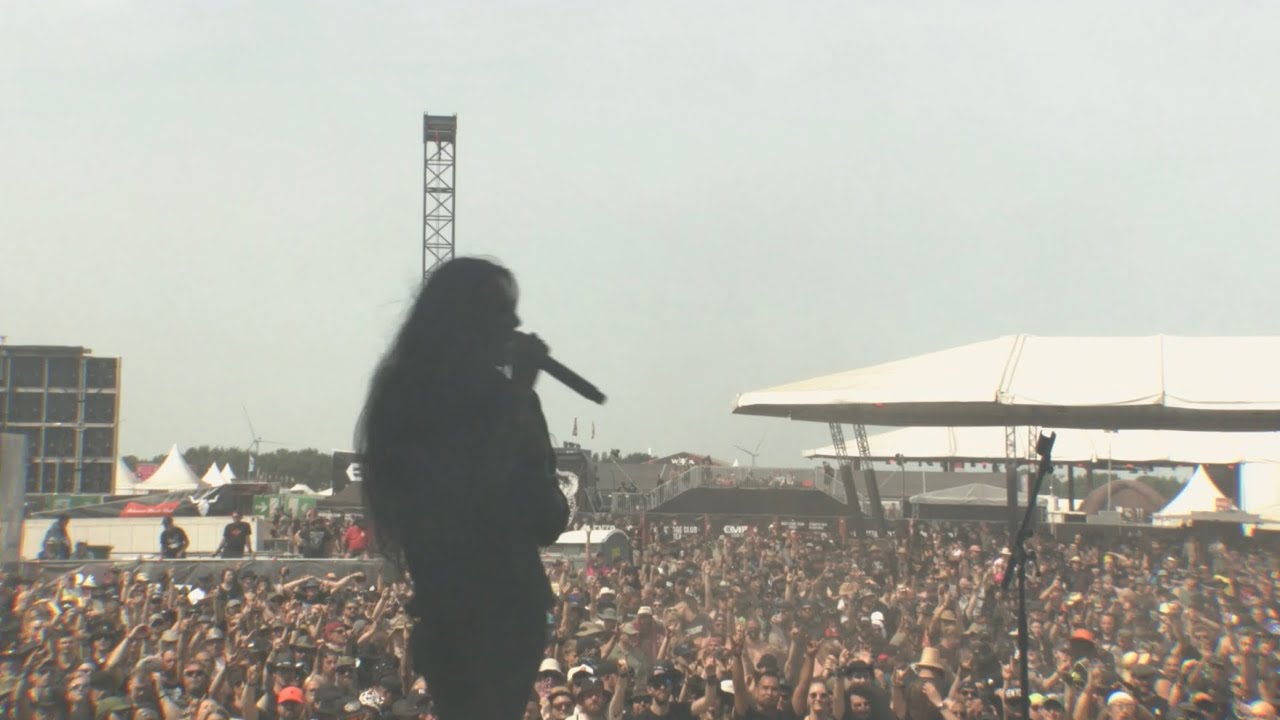
Live, the gap between studio polish and stage power closes fast. I caught their show at a Tokyo venue a couple of years back and the thing that stayed with me wasn’t any particular song — it was how the room committed. Japanese metal crowds have a reputation for intensity, and Crystal Lake shows tend to bear that out in full. The pit is serious. The synchronized wall-of-death moments aren’t novelties. The band plays like something is at stake every single night.
For a newcomer trying to find their way in, the catalog rewards a front-to-back approach more than most. Each record is a progression, not a reinvention. The DNA stays consistent while the execution gets sharper. Pick a starting point, get through it, then keep going — the payoff compounds.
The bigger question Crystal Lake answers by existing is whether a Japanese metalcore band can stand on the same stages as the genre’s Western flagbearers without being treated as a curiosity. The answer is yes. Unambiguously yes.
Find a loud room and start listening.