There’s a certain kind of Japanese metal band that never got the memo about trends. Not out of stubbornness, exactly. More like they figured out what they loved early, decided it was worth a lifetime, and then just kept sharpening it while everything around them changed shape three or four times. Concerto Moon is that band.
If you’ve spent any time in Japan’s melodic metal circles, you already know the shape of this sound: harmonic minor running up the neck, twin lead harmonies stacked like church windows, a vocalist reaching for notes that would send most singers to a doctor. It’s neoclassical heavy metal in the European tradition — Malmsteen’s shadow is long, and nobody here pretends otherwise — but filtered through a Japanese sensibility that treats melody as a matter of honour rather than decoration.
What the records actually do
Put on almost anything of theirs and the architecture reveals itself fast. A cold, arpeggiated intro. Drums that gallop rather than groove. Then the guitar arrives, and it doesn’t so much play a riff as declare one.
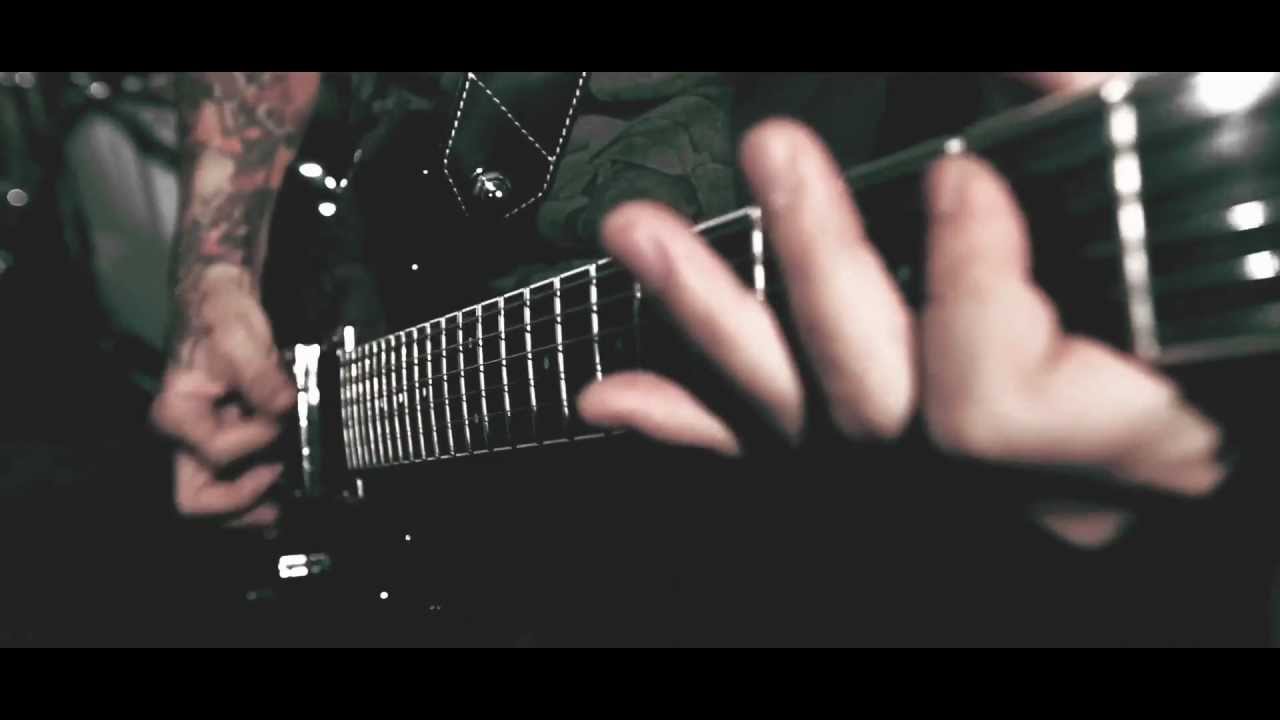
The playing is the centre of gravity. This is guitar-first metal, unapologetically, and the solos aren’t bolted-on show-off sections — they’re where the songs make their argument. You get sweep-picked runs that would be tiresome from a lesser player, but the phrasing has this weirdly vocal quality to it, like the guitar is singing a countermelody the vocalist didn’t have room for. When a Concerto Moon solo lands, it feels like a chorus, not an interruption.
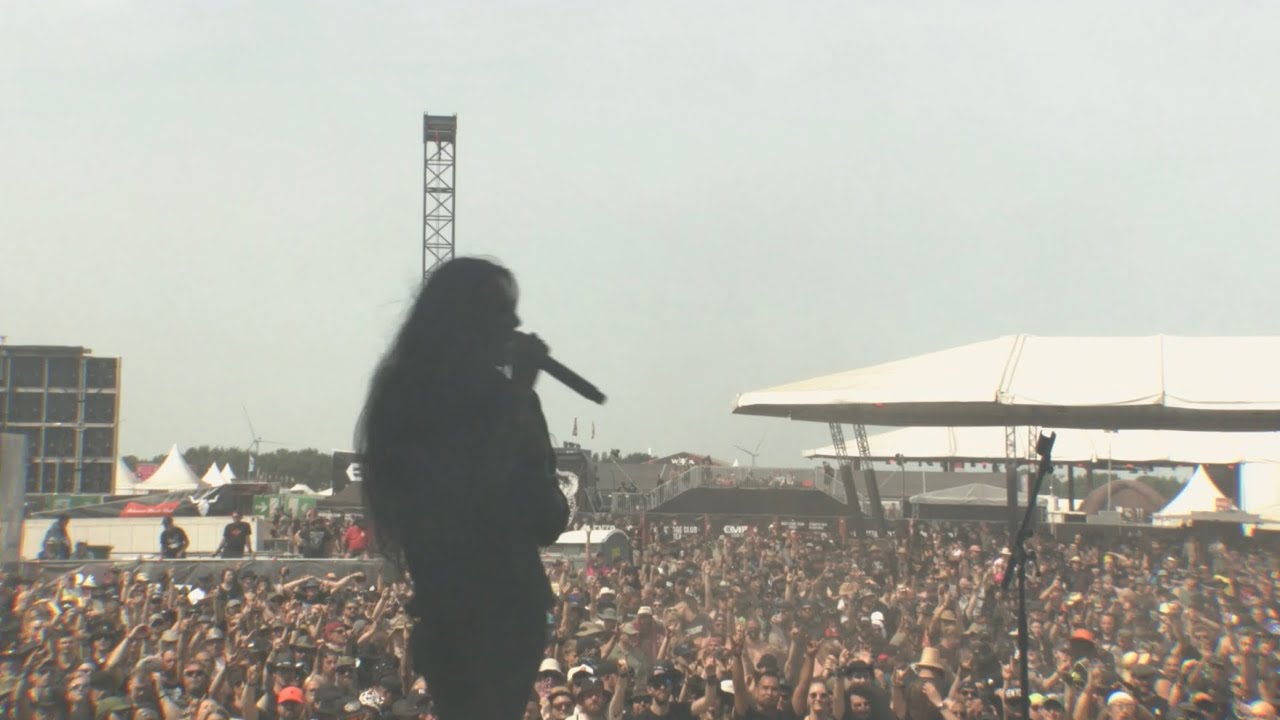
And the choruses themselves are enormous. Big, aching, minor-key things designed to be sung back by a room full of people who know every word. Japanese melodic metal has a particular relationship with sadness — there’s a bittersweetness baked into the hooks that doesn’t quite exist in the German or Swedish versions of this style. Concerto Moon lives in that gap. The songs are heroic and heartbroken at the same time, and it works.
The band’s history has had its share of turnover, which is normal for a project this long-running and this demanding. The through-line has held, though. Whatever the lineup on a given record, the mission statement doesn’t wobble.
Why it still matters
Here’s the honest part. Neoclassical metal has spent years being the least fashionable thing a band could do. Too clean for the underground, too old-school for the festival circuit, too sincere for anyone doing irony. Bands playing this style in Japan have mostly operated outside whatever the current conversation happens to be, building audiences one room at a time.
That’s exactly why it’s aged well. There’s no trend-chasing production to date it, no gimmick to explain away. The virtues are boring and permanent — writing, playing, singing. A band that can actually do those things doesn’t need a hook beyond doing them.
I’ve watched foreign fans discover this corner of the Japanese scene and go slightly feral over it. Makes sense. If you grew up on Rainbow, on early Helloween, on the first three Symphony X records, there’s a whole catalogue here operating at that level that simply never got translated into the English-language metal press. It’s been sitting there the whole time.
Start anywhere. Seriously — the discography is deep enough that there’s no wrong entry point, and the band’s identity is consistent enough that you’ll know within two songs whether this is for you. If the opening minute of a track gives you a neoclassical figure and a voice that sounds like it’s being pulled out of someone’s chest, you’re in the right place.
Then go and find the ballads. That’s where the whole thing quietly breaks your heart.