Cataplexy
It was just the best. That’s the only way I can put it.
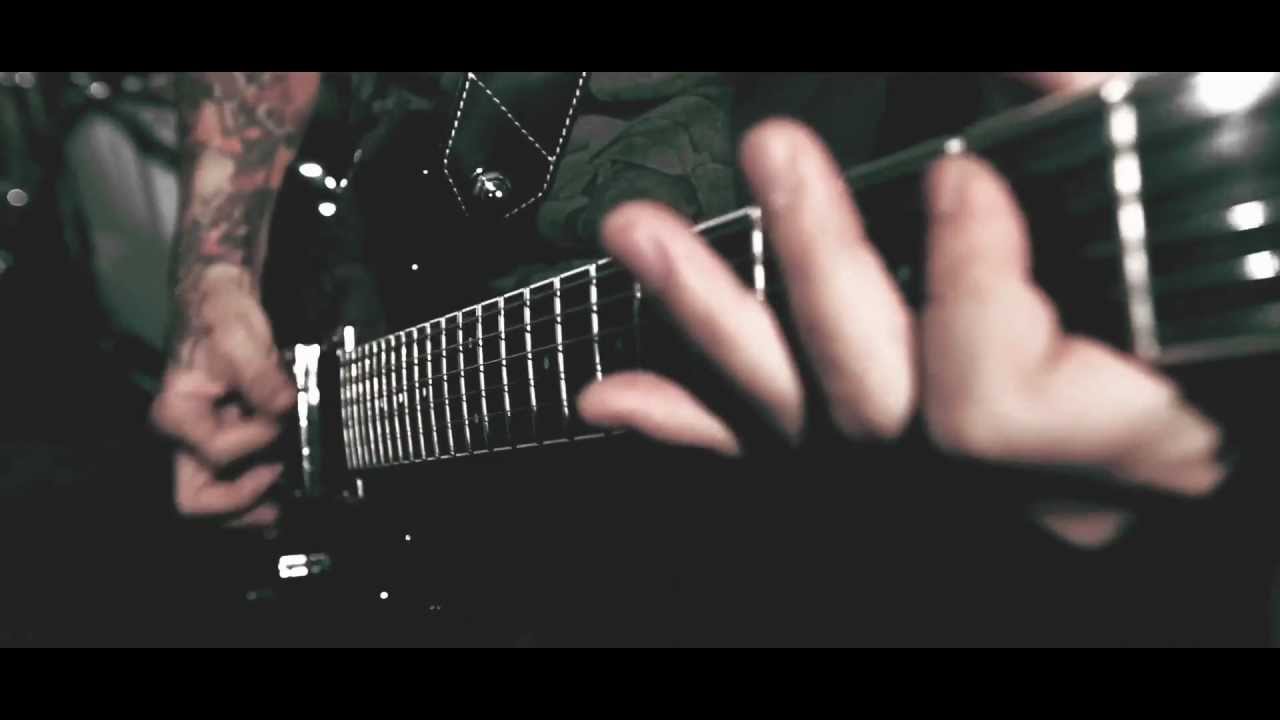
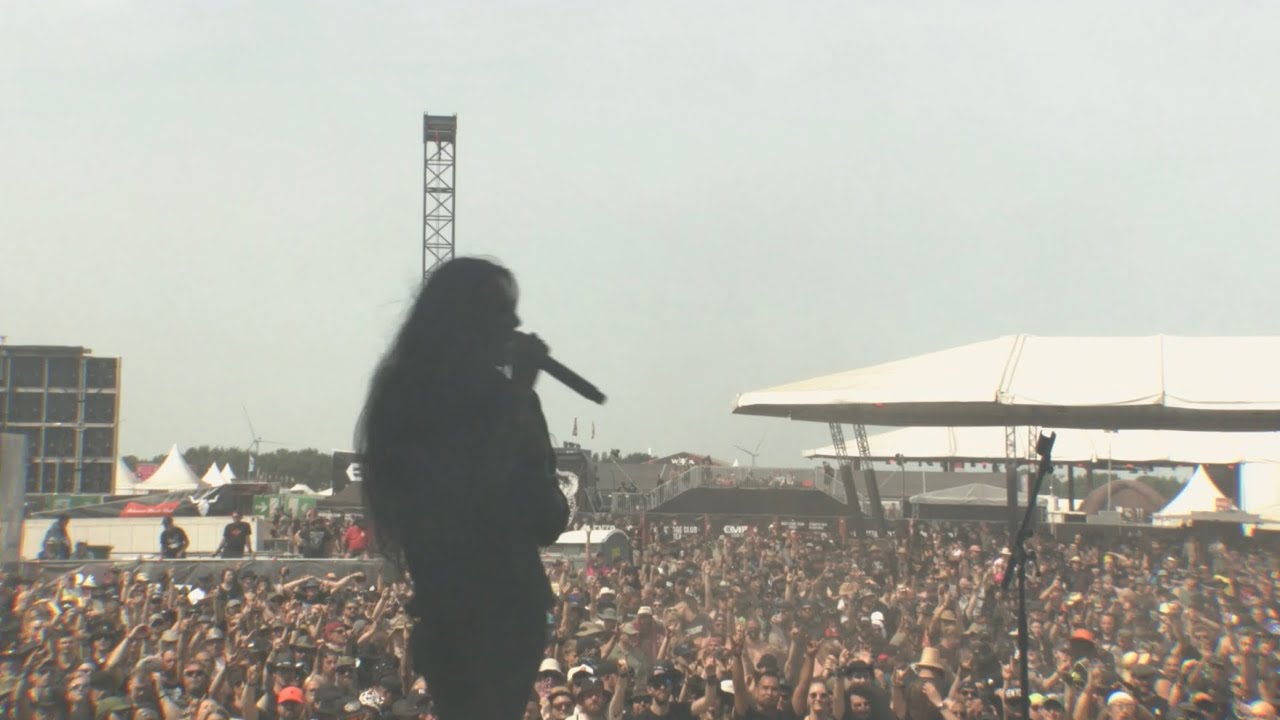
I’ve been crawling around Tokyo’s underground metal scene for thirty years — basements in Shinjuku, tiny live houses in Koenji, sweat-soaked rooms where the PA stack takes up a third of the floor space — and every so often something happens on a stage that makes all of it feel earned. That’s what CATAPLEXY did to me the first time I stood in front of them. No preamble, no posturing. Just that first riff coming down like a ceiling collapsing, and then — right when it had built enough momentum that your body was bracing for the next hit — the whole thing buckled. Slowed into something so thick and low it felt physical. I’ve seen this band described a lot of ways since then. None of the descriptions are wrong, exactly, but they all miss the thing you can’t describe, which is what it feels like when that drop lands in a small room and you realize your legs have stopped doing their job.
Which brings us to the name.
The word itself is a medical thing. Cataplexy: the sudden loss of muscle tone while fully conscious, usually triggered by strong emotion. You laugh too hard and your legs give out. You’re awake the whole time. You just can’t hold yourself up.
I’ve never come across a better name for a death metal band.
Because that’s the actual shape of this music. Not speed for its own sake, not brutality as a scoreboard, but the physics of something standing up and then not standing up. A riff gets going, builds a bit of forward momentum, and then the whole thing buckles at the knees into a passage so slow and thick it feels like the recording is being dragged backwards through mud. Then it’s back on its feet. Then it drops again.
The floor drops out
Plenty of Japanese death metal bands can play fast. That’s table stakes in this scene and has been for a long time. What separates the ones worth keeping is whether they’ve figured out what to do with the stop — the moment the blast beat cuts and something heavier has to fill the hole it left. CATAPLEXY’s records live in that gap. The guitars are tuned into territory where individual notes stop being notes and start being weather. Vocals come from somewhere below the sternum, more pressure than pitch, the kind of guttural that makes non-believers assume it’s a pedal and believers just nod.
The drumming is the part I’d point a newcomer at first. There’s a difference between a blast beat that’s a texture and a blast beat that’s an event, and this is the second kind — it arrives, it does damage, it leaves, and the silence afterward is doing half the work. When the slower sections land, they land like furniture coming down a staircase. Nothing tidy about it.
If you’ve spent time with Japanese brutal death, you already know the national accent: an obsession with tightness that borders on the unhealthy, arrangements welded shut, no wasted bars. Bands here tend to treat sloppiness as a moral failing. That precision cuts against the genre’s natural instinct toward mess, and the friction between the two is basically the whole appeal. CATAPLEXY sits right on that fault line. Controlled to the millimetre, and yet the songs are about losing control.
Where to start
Go in through the records rather than through reputation. Put something on loud, in headphones, and pay attention to transitions instead of riffs. That’s where the writing is. Anyone can stack heavy parts end to end; the trick is making the seam between two parts feel like an injury. When the tempo drops here, it doesn’t feel like a decision the band made. It feels like something failed.
The other thing worth saying to a foreign reader coming in cold: don’t approach this as exotica. Japan’s death metal underground isn’t a curiosity shelf, and bands like this aren’t doing a regional variant of something invented elsewhere. The lineage is long, the standards are punishing, and a set list gets built the way a piece of machinery gets built. Nobody’s being precious about it. Nobody’s explaining themselves.
I think that’s why the name sticks with me. Cataplexy isn’t a dramatic illness. It’s undignified and quiet and it happens to people who were, a second earlier, perfectly fine. Music that understands that — music where the heaviest moment isn’t the fastest one but the one where the legs go — is rarer than the genre lets on.
Start with whichever recording you can find. Turn it up past the point where the low end stops being a sound and becomes a room.