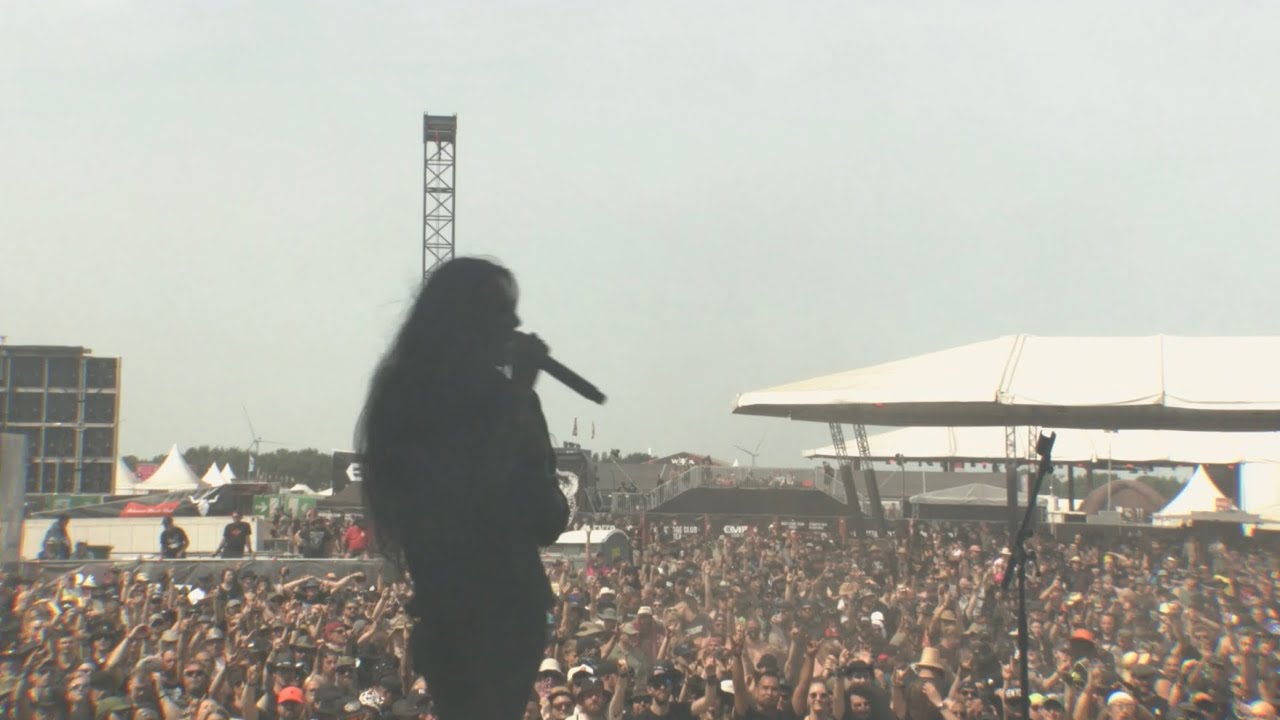
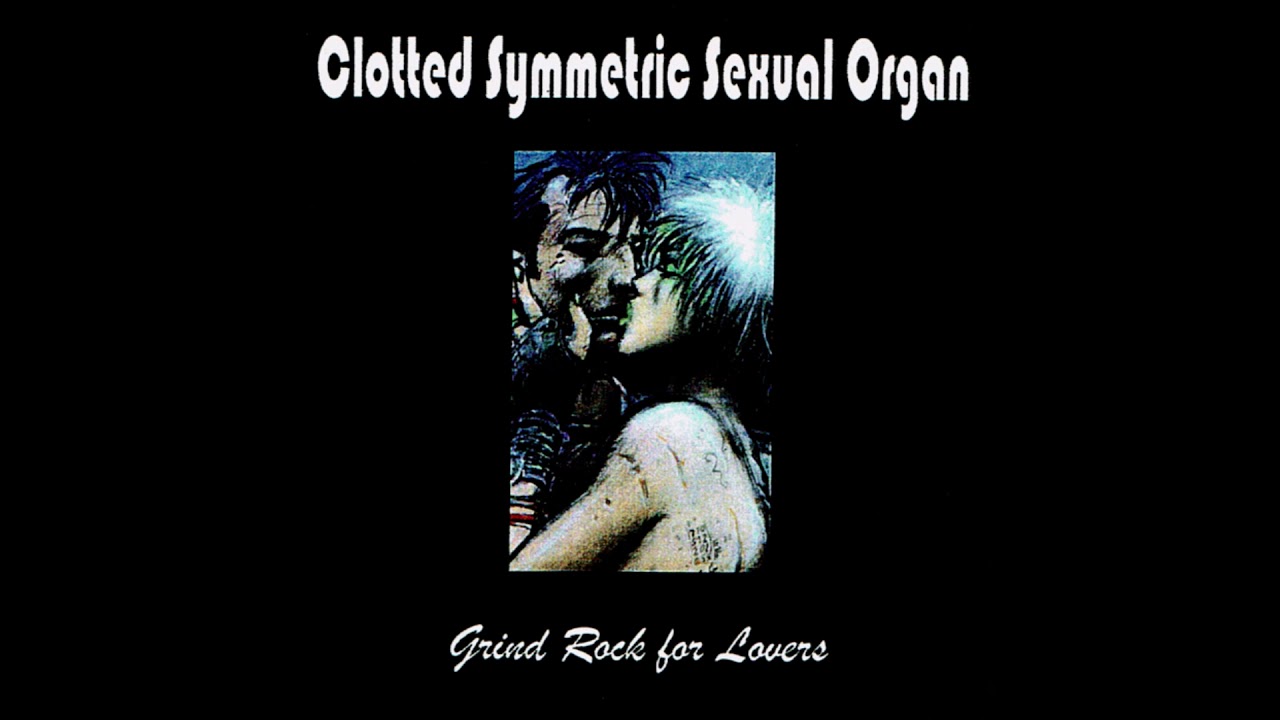
Let’s get the sad part out of the way first: C.S.S.O. don’t exist anymore. They broke up, the way most bands in this corner of Japan’s underground eventually do, and there’s no reunion to wait around for. Fine. The records are still there, and the records are what mattered.
I came to them the way a lot of foreign fans probably did — secondhand, through a tape someone insisted I borrow, with no context and a band name that looked like a medical form. That’s sort of the point. Everything about C.S.S.O. was styled like a hospital chart gone wrong, all clinical language pointed at deeply unclinical ends. But if you write them off as a gimmick band you’ll miss what’s actually going on underneath, which is a group with a genuinely strong grasp of how a death metal riff should move.
The songs are short, and that’s the craft
What struck me first was the economy. These are compact songs, most of them done before you’ve fully sat down, and there’s nothing lazy about that. Writing short is harder. You get one riff to establish the thing, one to turn it, and then you’re out. C.S.S.O. understood that arithmetic better than plenty of bands who take six minutes to say less.
The riffs themselves have that particular Japanese death metal quality I’ve never fully been able to describe — swung a little, almost rock-and-roll in their phrasing, groove sitting underneath even at absurd tempos. It’s ugly music that’s secretly very listenable. You find yourself nodding along to something genuinely revolting, which I suspect was always the joke.
And the vocals. Low, gurgled, processed into something less like a human voice and more like a sound effect from a bad autopsy scene. Purists argue endlessly about whether that approach is expressive or just texture. Listening to C.S.S.O., I’d say texture is expressive — the voice is another rhythm instrument, sitting in the mix like an extra kick drum made of phlegm.
Why they stuck
Japan’s extreme underground has always had this streak of committed absurdity, bands treating gore and body horror less as shock value and more as an aesthetic to be worked in with real discipline. C.S.S.O. sat right in that lineage. The artwork, the titles, the whole clinical framing — it was consistent, it was thought through, and it never felt like a costume they were embarrassed by.
There’s also the sheer amount of ground they covered stylistically. Blast sections that fall apart into mid-paced grooves. Sudden clean breaks that feel like the tape got spliced wrong. Little moments of melody that arrive out of nowhere and are gone before you can be sure you heard them. It’s restless music, and restlessness is the thing that keeps a band like this alive on repeat listens long after the shock has worn off.
Honestly, the production is going to be a barrier for some people. It’s raw. Drums sound like drums in a room, not drums in a studio, and the guitars have that trebly bite that cheap recordings give you whether you asked for it or not. To be real, I think that’s part of the appeal — it puts you in the room. Cleaned up, half of this would lose its menace.
Where to start? Anywhere, genuinely. Their discography rewards the shuffle approach more than the chronological one, because the thing you’re tuning into isn’t an arc of artistic development, it’s a sensibility. Put on any handful of tracks with the volume up and see if you’re grinning by the third one.
If you are, you’ve found your band. Shame about the timing.