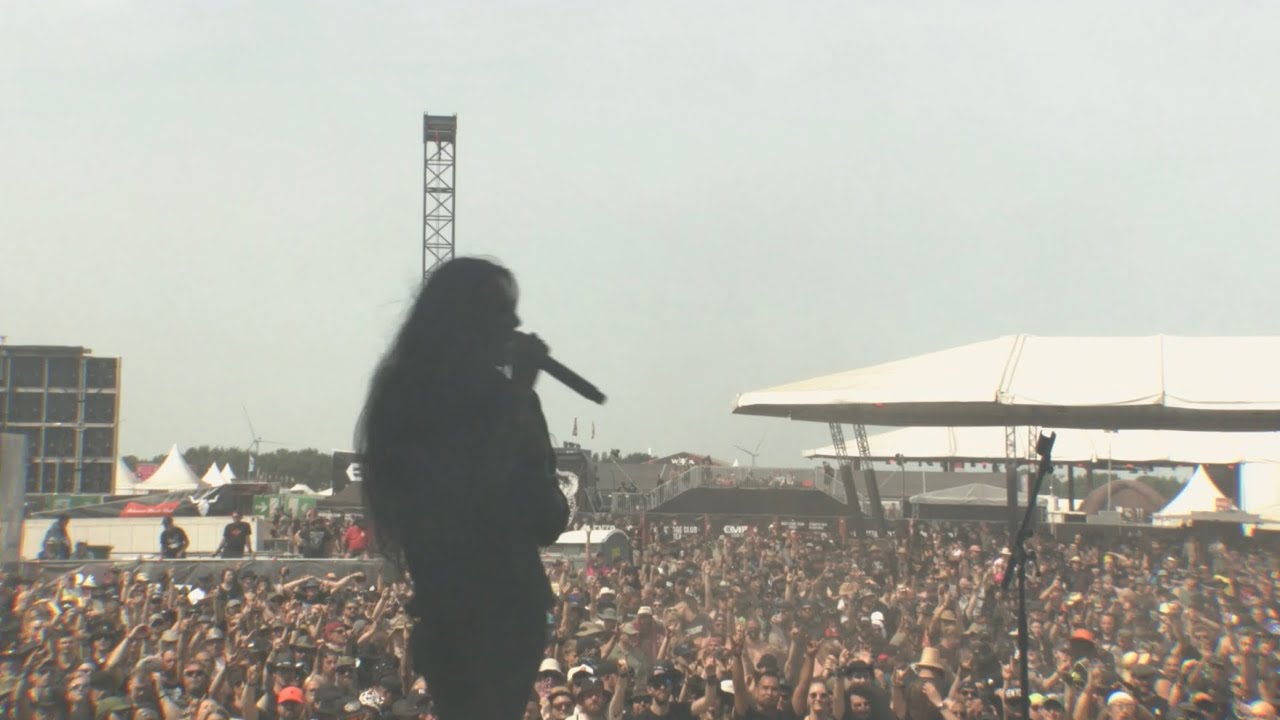
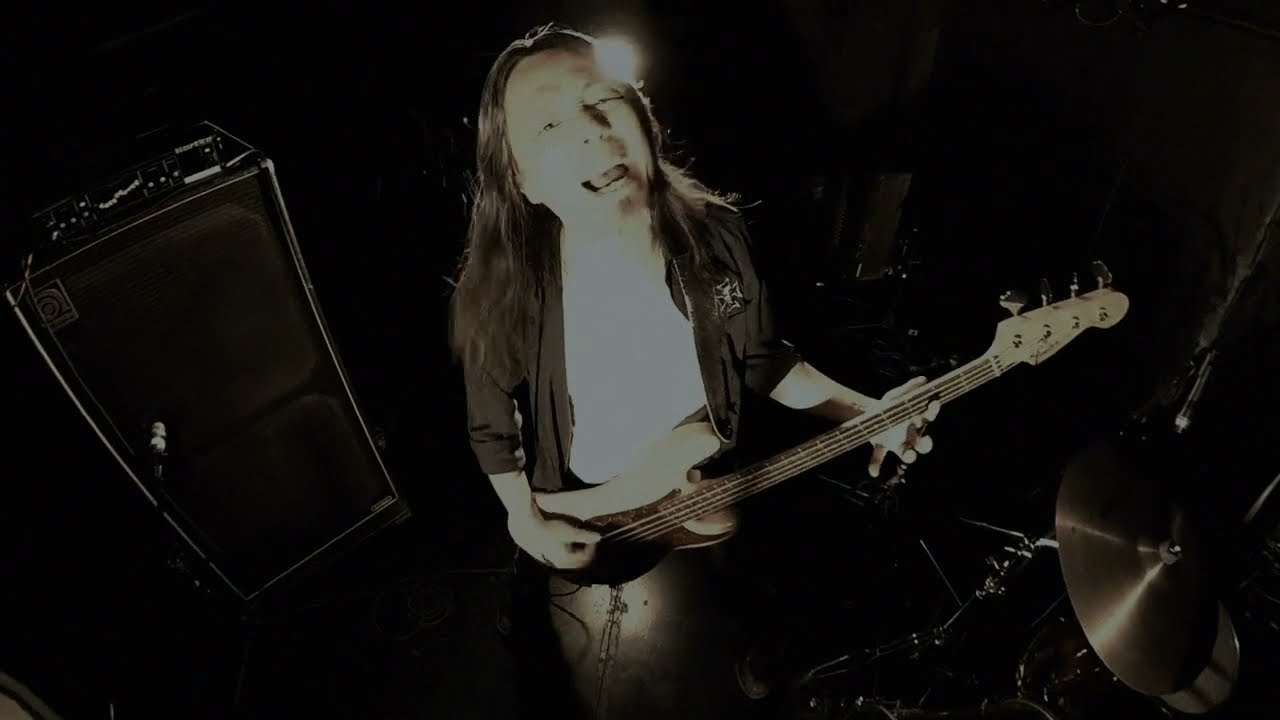
The name is the mission statement, honestly. BAREBONES play hardcore with the fat trimmed off and the bone left showing — no intro track, no atmospheric build, no gently unfolding anything. A count-in, a wall, and then you’re already three riffs deep before your brain catches up.
I’ve spent a lot of years in small rooms in this country watching bands try to be clever about hardcore. Some of them pull it off. Most don’t. What I like about BAREBONES is that they never seem interested in the attempt. The songs arrive, do the job, and leave. There’s a particular discipline in that which people underrate, because it looks like the easy option and it absolutely is not. Writing a two-minute song that still feels like it needed to exist is harder than writing a six-minute one.
What the records actually sound like
Blunt. That’s the first word. The riffs are mid-to-fast, built on downstrokes and a kind of forward-leaning momentum that pulls the whole song toward the next hit. Drums sit high and dry in the mix, snare cracking rather than booming. Nothing is buried in reverb to make it sound bigger than it is — the size comes from the playing.
Japanese hardcore has this long tradition of treating melody as a weapon rather than a softening agent, and you can hear that lineage in how BAREBONES handle their leads. When a melodic line shows up, it’s not there to give you a breather. It’s there to make the riff underneath it hurt more. That’s a distinction a lot of overseas bands never quite figure out.
Vocals, too, deserve a note. Delivered in a raw, barked register that stays this side of legible, sitting right on top of the music instead of behind it. If you don’t read Japanese you’re going to lose the words, and you’re going to understand the meaning anyway, which has always been one of the weird gifts of this scene. Tone carries. Cadence carries. You know exactly how angry somebody is without a translation.
Why this stuff travels
Foreign listeners tend to come to Japanese hardcore through the famous doorways — the D-beat legends, the crust bands that got reissued and passed around on blogs. Fine. Those are good doorways. But a lot of the best material in this country has always lived one rung below that, in bands who put out a handful of releases, played the same handful of venues, and built something durable without ever becoming a collector’s totem.
BAREBONES belong to that tier, and I mean it as high praise. There’s a version of hardcore that exists purely to be functional — music for a room with a low ceiling and a floor that’s already sticky by eight o’clock. It doesn’t need mythology. It needs to work when forty people are standing three feet from the amps.
The thing that keeps me coming back is the pacing. A lot of hardcore records lose their shape around track five, when everything starts sounding like the same tempo. BAREBONES seem to understand where to put a slower section, how long to hold it, and exactly when to let it snap. That’s a craft thing. It’s not flashy, and it’s the difference between a record you respect and a record you actually finish.
Start with whatever full-length you can get your hands on and play it loud enough that the snare hurts a little. Don’t stream it quietly on the train and decide it’s fine. It isn’t fine at low volume. Almost nothing in this genre is.
A band that never wasted your time, on records that still don’t.