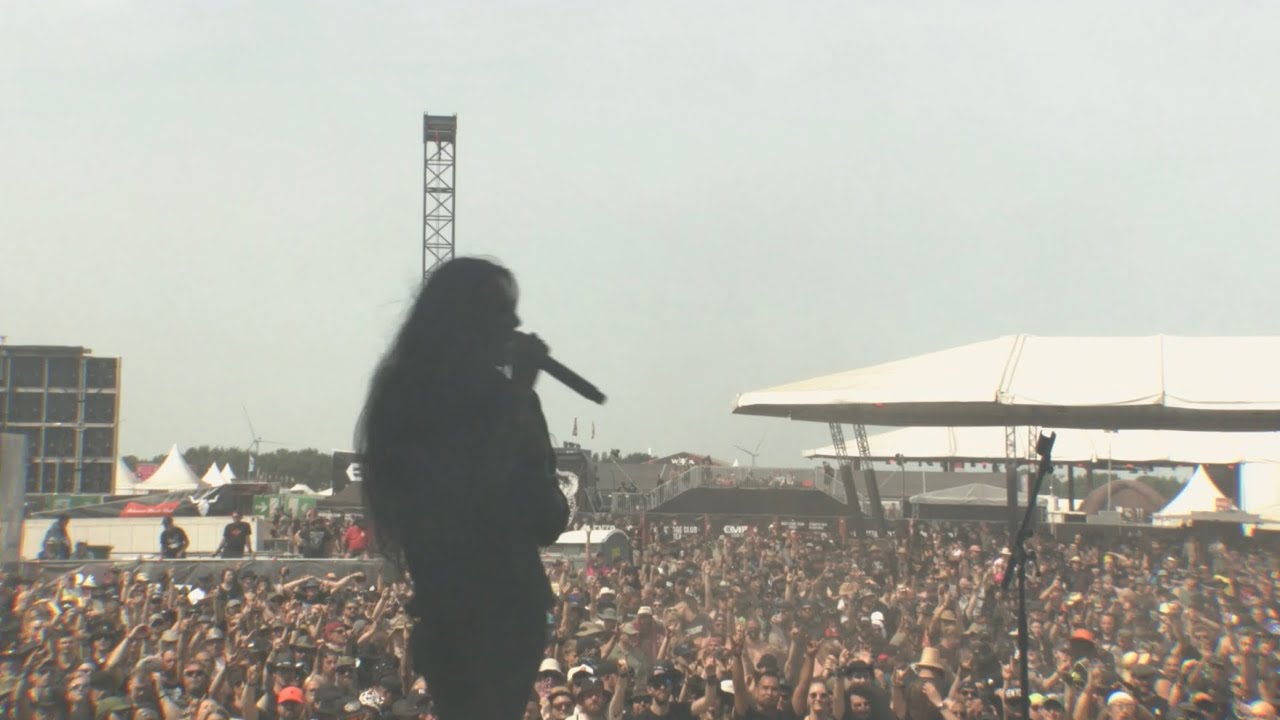

I found ALHAMBRA sideways, which is how I find most of the bands I end up keeping. Not a recommendation, not an algorithm. A used bin in a Tokyo shop, a sleeve that looked too ornate for its own good, and a clerk who shrugged at me in a way that suggested I already knew what I was getting into.
I did, kind of. And I didn’t.
Here’s the thing about Japanese heavy metal that foreign fans tend to miss. The country never had the collective embarrassment about melody that Europe and the States went through in the nineties. Nobody here filed away the twin leads and the big clean choruses as uncool. They just kept making it, refining it, treating it like a craft rather than a trend that needed reviving. ALHAMBRA belongs to that lineage — heavy metal that takes the word heavy seriously without ever apologising for a hook.
Craft over shock
What gets me about this kind of band is the patience in the arrangements. There’s no scramble to prove anything in the first fifteen seconds. Riffs get room. Vocal lines are written, actually written, with a beginning and a middle and a landing — not just shouted at you until you agree. When the guitars go for the throat they go properly, and when they pull back into something more decorative, that decoration is doing work rather than filling space.
It’s a very Japanese instinct, honestly. The same instinct that makes a bowl of ramen at a twelve-seat counter better than it has any right to be. Someone decided this thing was worth doing exactly right, then did it that way for years, and didn’t especially care whether anyone outside the room noticed.
You can hear that in the playing. Tight without being sterile. Ornate without collapsing into showing off. There’s a neoclassical thread running through a lot of Japanese melodic metal — the scale runs, the harmonised leads, the slight formality in how a solo is constructed — and bands who work in that mode either sound like they’re wearing a costume or they sound completely at home in it. ALHAMBRA sound at home.
What the records ask of you
They ask for attention, mostly. This isn’t background music, and it doesn’t really work as a single dropped into a playlist between other things. The songs are built as songs, and they reward you for sitting with a whole album in one go — the way the heavier tracks earn their weight because of what sits on either side of them.
Foreign listeners sometimes get tripped up by the vocals. Japanese melodic metal singing has its own centre of gravity, its own relationship to vibrato and phrasing, and if your reference points are all British or Scandinavian it can take a couple of spins to recalibrate. Give it those spins. Once your ear adjusts, going back to the stuff you knew before feels a little thin.
If you’re coming to this cold, my advice is boring but correct: find a full-length and listen front to back, loud, with nothing else running. Don’t shuffle it. Don’t sample two tracks and decide. These records were assembled with an order in mind, and the order matters.
Japan’s underground is full of bands like this. Serious about melody, unbothered by fashion, quietly building something over a long stretch while the rest of the world argues about what metal is supposed to sound like now. Most of them never get a write-up in English. That’s the gap this site exists to close, one dusty used bin at a time.
Put the album on. Let the second track do its thing. You’ll know by the chorus.