
The Violence and the Ache
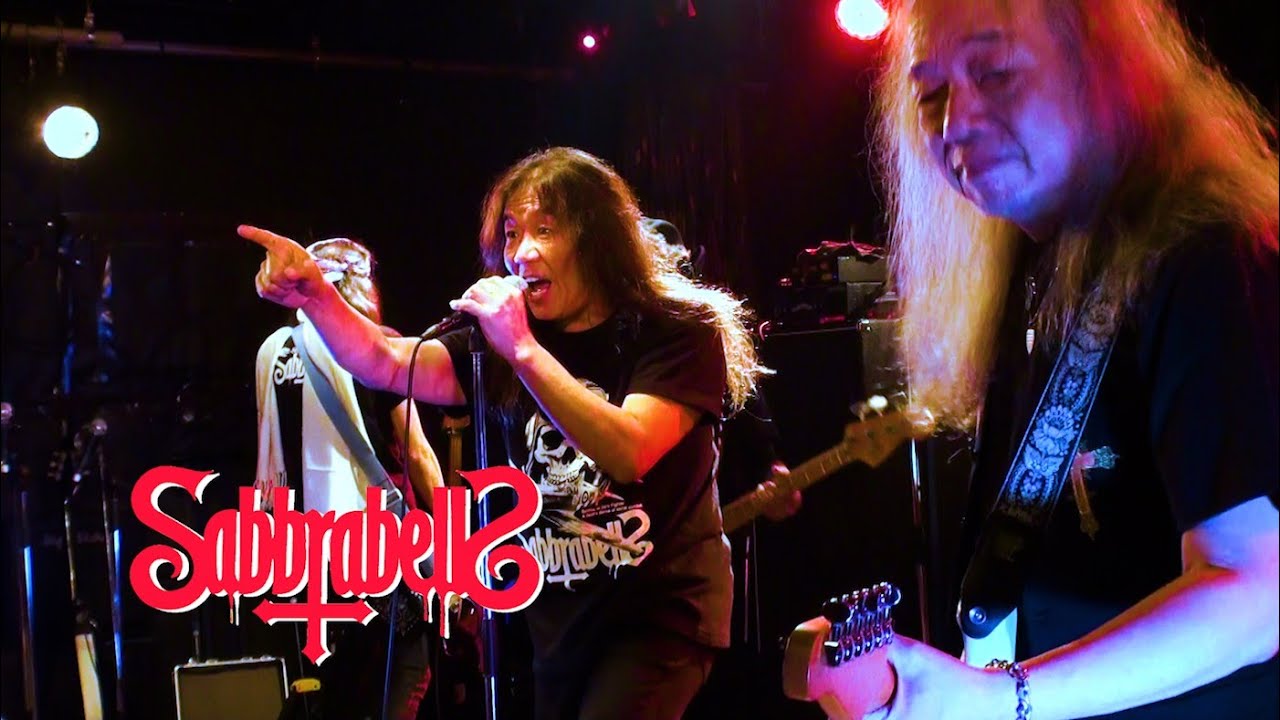
When are these guys ever going to slow down? I’ve been asking myself that since I first saw them as a university student, and the answer, thirty years on, is apparently never. The songs were fast then and they’re fast now — genuinely, absurdly, almost frighteningly fast. If anything, they’ve gotten faster. There’s something almost inhuman about it. These people are terrifying.
That thought still runs through my head whenever I put on a Swarrrm record, and it never quite stops being true. Based in Kyoto, they work inside a collision zone where metallic hardcore, grindcore, and screamo all pile into each other at full speed — and somehow, instead of a wreck, what comes out is something that feels almost heartbreaking. That’s the thing that hits you after the shock settles: the brutality is real, the blast beats mean it, but underneath everything there’s this raw emotional pull that stops the music from being just noise. It actually gets under your skin.
Kyoto carries its own weight in Japanese culture — temples, tradition, a certain slowness the rest of the country doesn’t have. Swarrrm sound like they’re screaming against all of it, and also somehow for it. The tension in their music has that quality: deeply local, completely unplaceable.
The grindcore side of the band is not decorative. Tracks can detonate and be done before you’ve processed what happened. But Swarrrm keep stretching past pure grind into territory that demands you feel something, not just absorb punishment. That’s a genuinely hard balance to keep. Most bands pick one side. Swarrrm play both ends against each other, and the friction is the whole point.
Why They Matter
Japan’s metallic hardcore underground doesn’t get nearly enough attention outside the country, and Swarrrm are one of the clearest arguments for why that needs to change. Their records have circulated through domestic labels — Essence Music among them — and they’re well enough established that both Metal Archives and Discogs carry their discography, which is your starting point if you want to trace how they’ve moved through the years and across releases. That presence isn’t accidental. It’s built on records that actually hold up.
What makes them stick, for me, is the screamo thread running through the metallic chaos. Screamo in Japan has its own lineage, one that often runs harder and more confrontational than the Western version of the genre. Swarrrm tap into that without sounding nostalgic about it. The anguish in the vocals is not performative. It sounds earned.
The production aesthetic, across what I’ve heard, keeps things close and claustrophobic. Not lo-fi for the sake of it — the instruments hit with genuine weight — but there’s no polish applied to smooth the edges off. Edges are the point. You’re supposed to feel the room, feel the pressure, feel the space collapsing.
I caught their music through a chain of recommendations from people embedded in the Kansai underground, the kind of word-of-mouth that still drives discovery in Japan’s more extreme scenes more than algorithms ever will. That context matters. This is music that travels between people who care deeply about it, and you can hear why.
If you’re coming in cold, give the music time. The first pass might be all impact. By the third or fourth, you’ll start to hear the grief behind the speed.
Find them on Discogs and start digging.