Read This First
Two corrections to anything you’ve read about this place, including an earlier version of this page.
Fandango was never in Shinsaibashi. It was in Juso, across the river in Yodogawa Ward, and that mattered — Juso is a different kind of neighbourhood entirely. And the original room is gone: it closed in August 2019 after 32 years, with a two-night run billed as end roll.
The name survived. In October 2019 Fandango reopened in Sakai, south of the city, and that’s the room to look for now.
What Juso Fandango Was
Some venues feel like they were built by accident and ended up perfect. Fandango was one of those. It opened in 1987 and spent three decades booking hardcore punk, melodic hardcore, blues, rock, and people playing alone with an acoustic guitar — a range that sounds incoherent written down and made complete sense once you were standing in the room.
Juso is worth understanding if you want to understand the venue. It’s a working district on the Hankyu line, a few minutes north of Umeda and a world away from it: standing bars, old shopfronts, none of the polish of Osaka’s shopping corridors. A punk venue belonged there in a way it never would have belonged in Shinsaibashi.
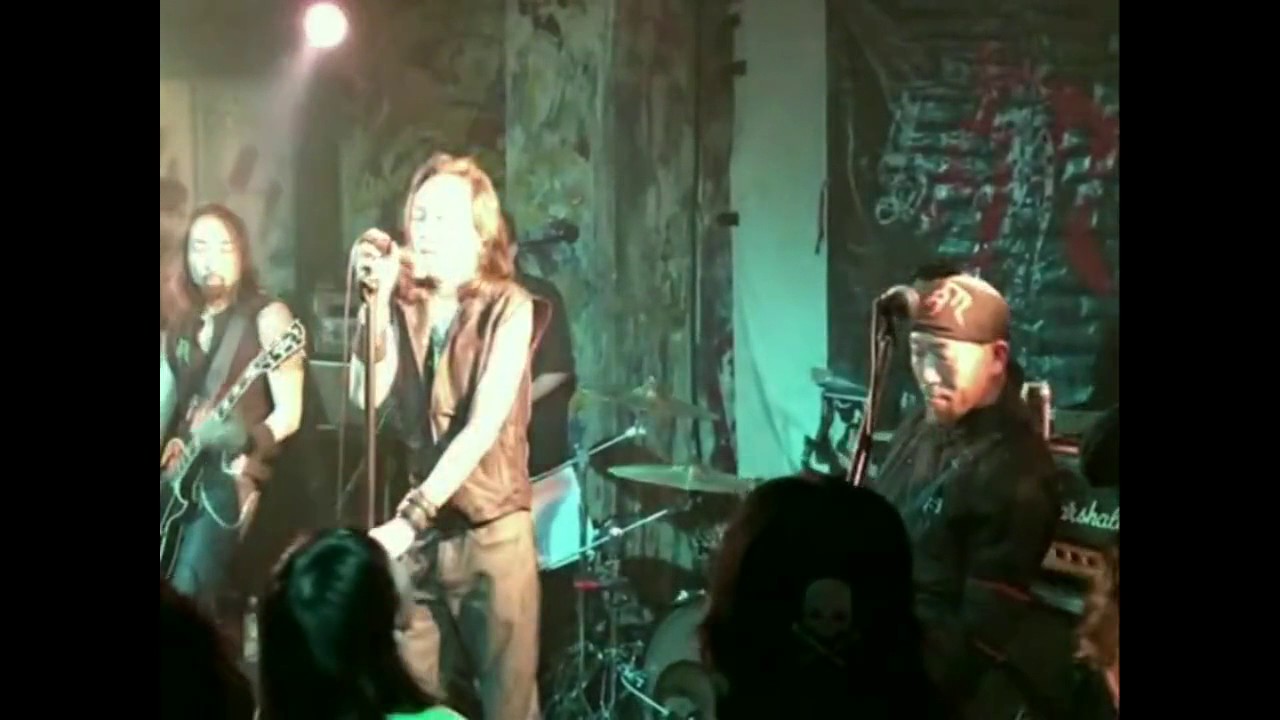
The space read small and close. Not a cavern, not a theatre box — the kind of room where the PA is right on top of you and the floor fills fast. Punk and hardcore thrive with no distance between band and crowd, and Fandango built its reputation on exactly that. The bookings leaned toward the rawer end: Japan’s long-running hardcore acts, younger bands still working out how loud they could push, touring acts passing through Osaka on their way up or down the archipelago.
Thirty-two years is an extraordinary run for a live house. Almost nothing lasts that long.
Sakai Fandango
The new room opened in October 2019 in Sakai, and the people who made the move were explicit that they wanted to carry the character of the old place with them rather than start something different. If you’re routing an Osaka trip around underground music, that’s the Fandango to put in your notes.
Sakai sits south of central Osaka and is straightforward to reach on the Nankai and JR Hanwa lines. It’s further out than the Minami venues most visitors default to, which is the point — you’re going for a specific room, not for whatever happens to be closest to your hotel.
Showing Up: What Foreign Visitors Need to Know
Ticketing in Japan runs through a handful of centralised systems: e-plus, Lawson Ticket, or direct sales through the venue’s own channels and social media. If you’re coming from outside Japan, buy early — smaller shows can move faster than the band’s profile suggests. Checking the venue’s official social accounts or the promoter’s pages is usually the clearest path.
At the door, have ID ready. Japan’s live house scene does card at the entrance, and foreign passports are accepted without drama. The drink charge might be new to you: expect to pay a few hundred yen at entry toward a drink token, redeemable at the bar. It isn’t optional and it isn’t a scam — it’s standard across the country, and it keeps the bar moving between sets.
Cash still matters at the merch table and the bar. IC cards work at the konbini outside; they don’t work for a cold Asahi inside the venue. Bring yen.
Most shows are standing only. Get there early if you want a good floor position.
Go for the hardcore. The room changed address. It didn’t change its mind.