Read This First
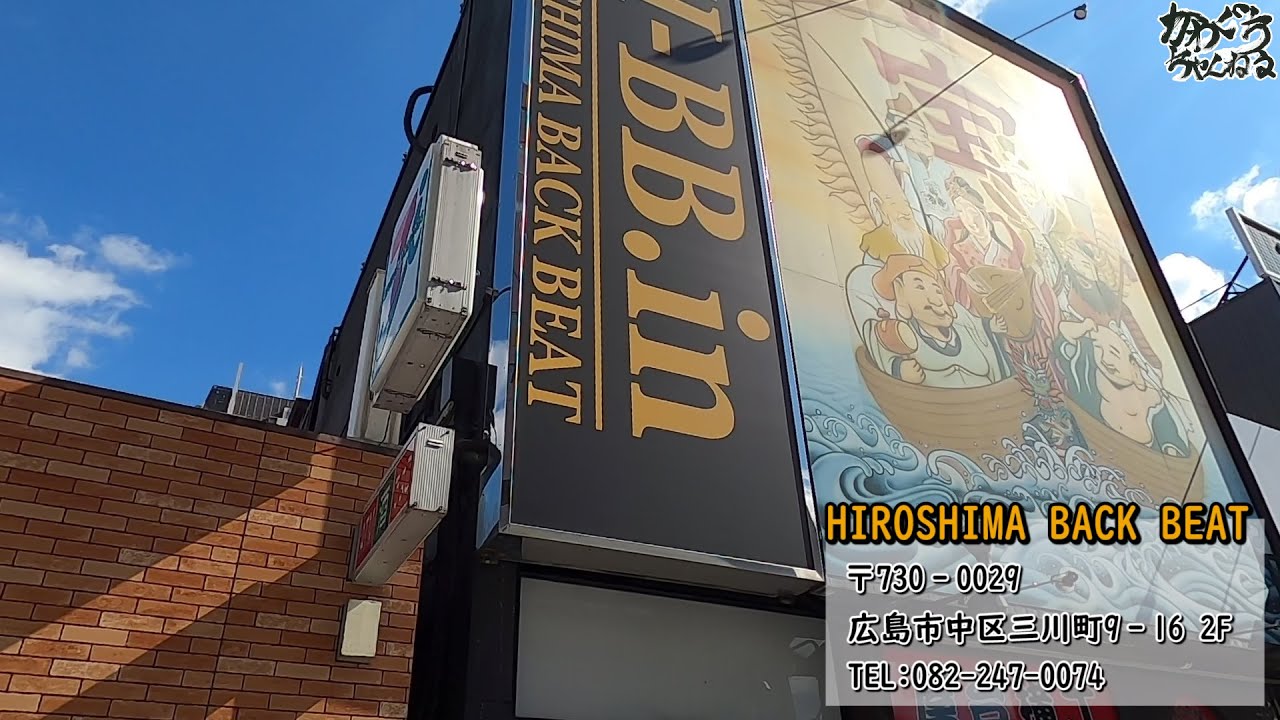
BACK BEAT is closed. It ran from 2008 until the end of June 2021, when the building it lived in got too old to keep operating safely, and the company behind it shut the room rather than patch it forever. If you came here planning a trip, don’t go looking for the address — go to the last section instead, because the people who ran it opened somewhere new.
The rest of this is what the room was, because it mattered.
The Room Itself
Hiroshima doesn’t always make the shortlist when foreign metal fans are planning a Japan trip. That’s a mistake, and BACK BEAT was a big part of why. The city has genuine underground infrastructure, and for thirteen years this was near the centre of it — a live house that held down the local hardcore and punk scene long enough that bands from across Japan treated it as a legitimate stop, not an afterthought booking.
The room felt lived-in. Small enough that there was nowhere to hide from the sound, close enough to the stage that you’d catch flying sweat and feel the kick drum in your chest wall. That kind of physical intimacy is exactly what hardcore should be. When a set was crushing, the format made it more so. When a set was sloppy, you knew that too — but that was part of the deal.
Bookings skewed toward the harder end of the punk spectrum: hardcore, powerviolence, crust, the occasional crossover bill that pulled in metal kids from the edges of the scene. It was a working room for serious underground music, and the crowd tended to know every band on the bill before doors opened.
Why a Room Like This Matters Outside Tokyo
It’s easy to talk about Japanese heavy music as a Tokyo story with some Osaka footnotes. Rooms like BACK BEAT are the reason that’s wrong. A touring band coming down through western Japan needs somewhere to land between Osaka and Fukuoka, and a local scene needs somewhere to play forty times a year rather than four. Lose the room and the bands don’t automatically relocate — they play less, tour less, and the city gets quieter.
Thirteen years is a long run for a live house. Most don’t get that.
Where the Scene Went
The operators didn’t stop. In January 2022 they opened SIX ONE in Hiroshima’s Nagarekawa district — a single floor holding a café-bar and two live rooms, built to do more than the old building could. That’s the address worth having if you’re routing a trip through Hiroshima now.
Hiroshima’s city centre stays compact and genuinely easy to move around, which is a rarity in Japan outside the major metros. The tram network is your friend; arrive by shinkansen, hop a streetcar, and you’ll navigate without much friction. The nightlife district has enough izakaya and ramen within walking distance that post-show eating is easy. Look for a place with a handwritten sign in the window and a counter with eight seats. That’s usually the correct call.
Tickets for shows in Japan generally go on sale through e+ (eplus.jp) or Lawson Ticket, and reserving in advance is worth it for any bill with touring bands on it — capacity at smaller live houses goes fast, and the door price is usually a few hundred yen higher than advance anyway. Expect a drink charge at entry, cash, exchangeable for one drink at the bar. Soft drinks count. Carry your passport for ID checks.
Show up a little before doors. Sets in Japanese live houses start punctually, occasionally even early, and missing the first band because you were grabbing a convenience store beer outside is a rookie move you won’t repeat.
BACK BEAT put thirteen years into that scene. Go see what it turned into.